This page is an editorial overview of Twin Peaks, a Canadian gypsy-folk and roots act built around accordion, upright bass and fiddle. It isn't the band's official site — it's a listener's look at where the project came from, what it sounds like, and where it sits inside Western Canada's roots scene.
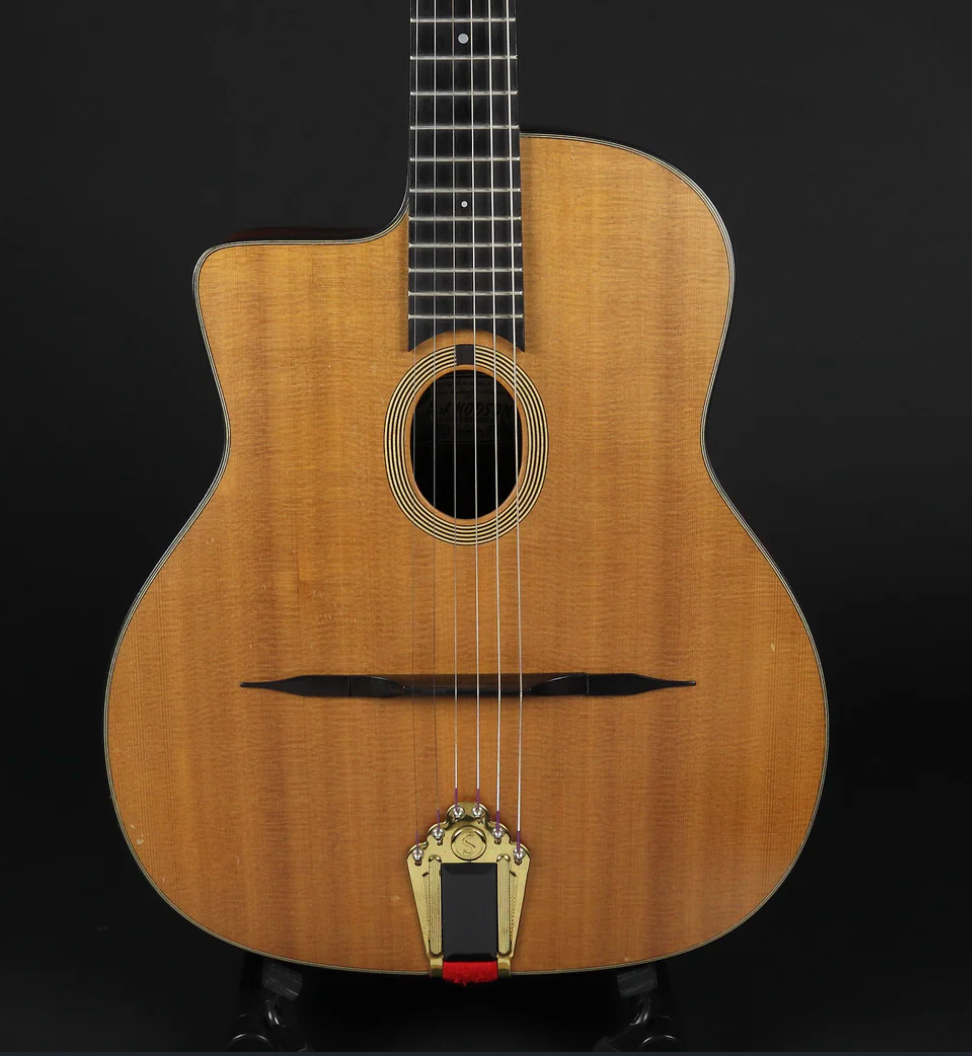
Original illustration — accordion, the band's lead voice.
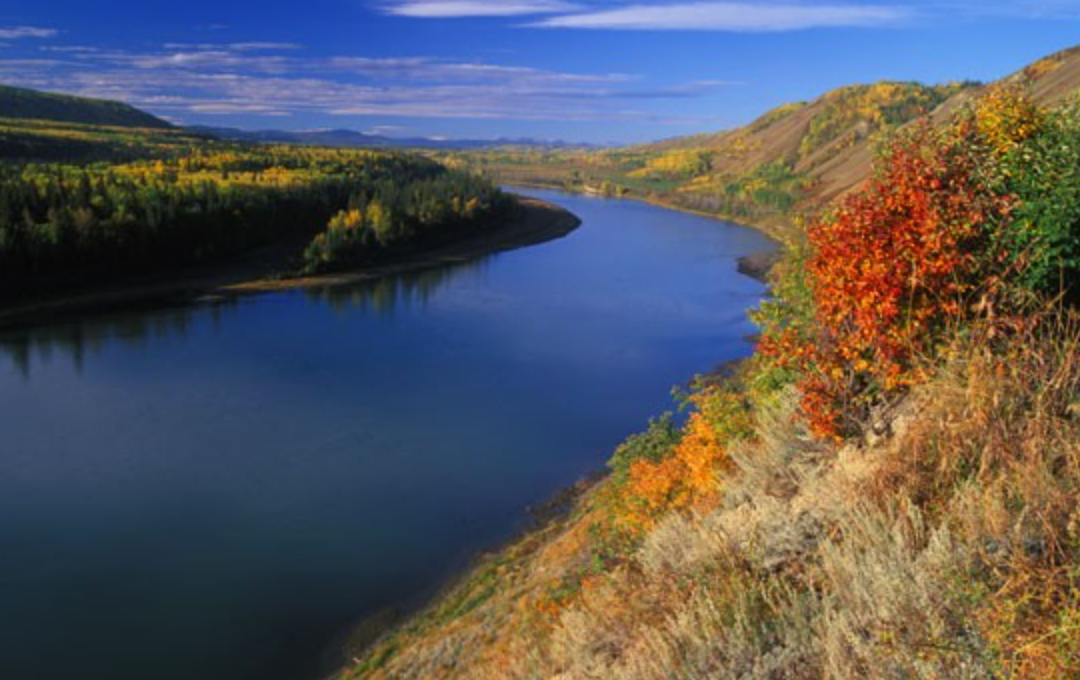
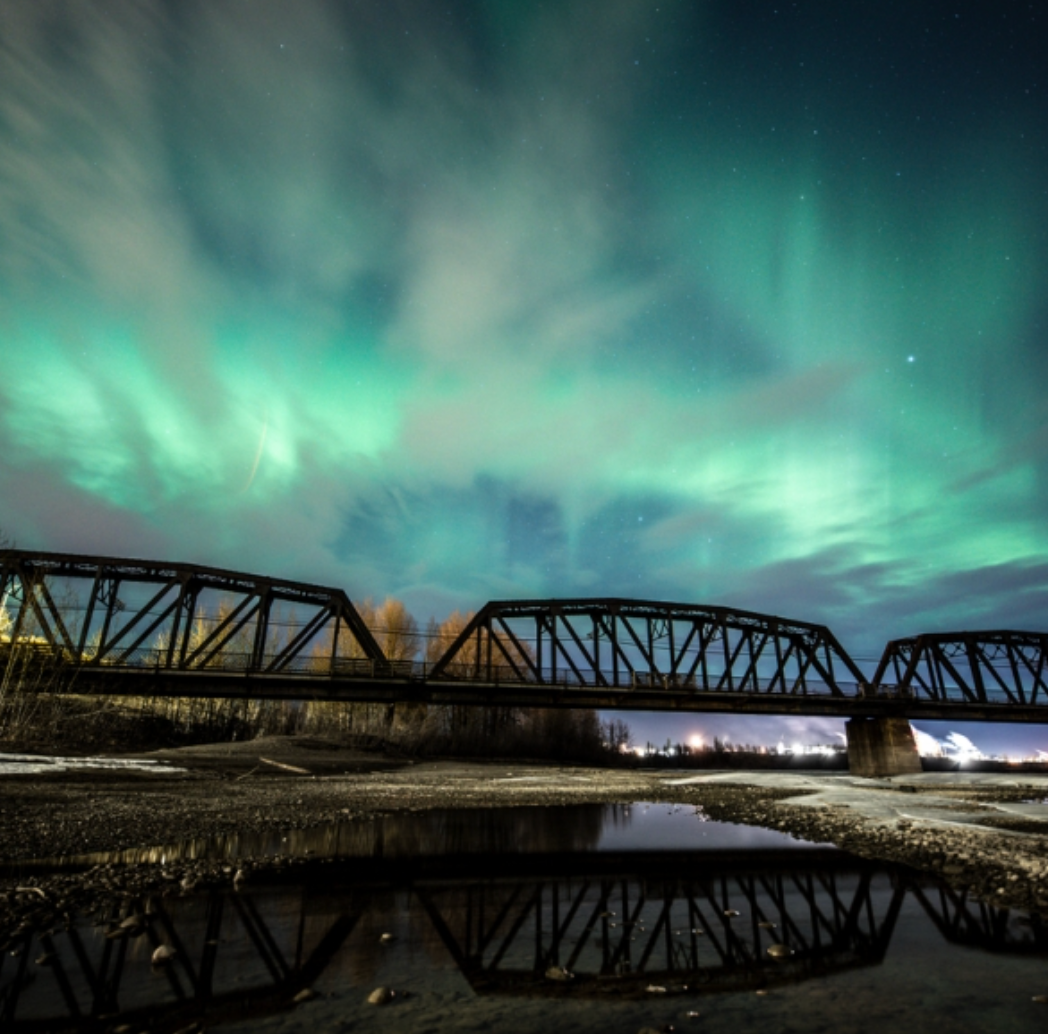
Twin Peaks formed in Fort St. John, in the northeastern corner of British Columbia — a region better known for oil, gas and long winters than for folk music, but home to a small and stubborn roots scene that has quietly outlasted a few boom cycles. The name comes from the twin ridgelines that shadow the Peace River valley, a piece of geography that shows up again and again in the pacing of the songs.
The sound sits at a crossroads: minor-key, dance-driven melodies borrowed from Eastern European folk traditions, filtered through the plainspoken storytelling of Western Canadian roots music. Accordion carries the melody more often than guitar, upright bass anchors the low end, and fiddle does the work a lead guitar would do in most other bands.
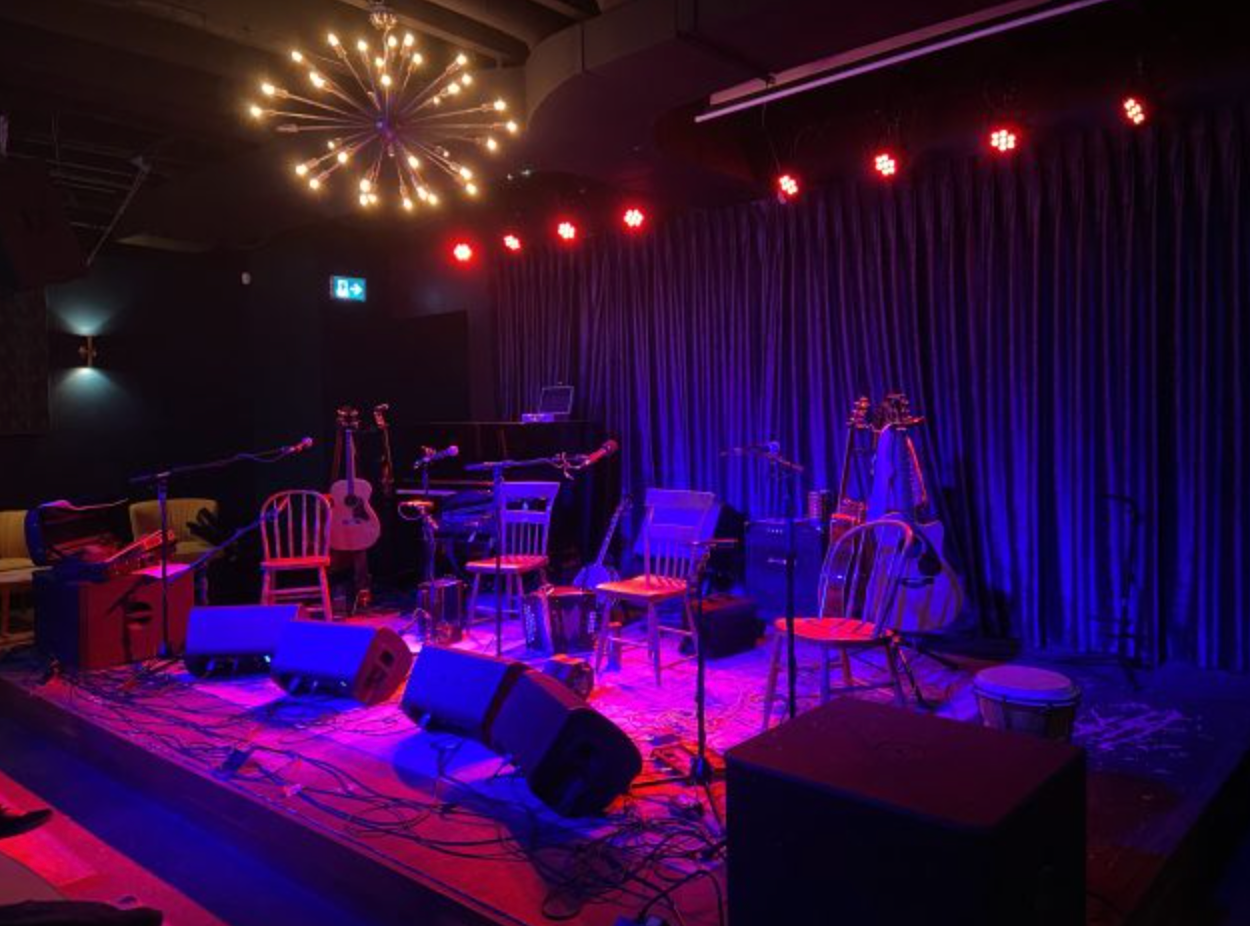
The band built its early audience the way most Canadian roots acts do — one small room at a time, on bills alongside other BC-rooted folk and roots artists whose paths have crossed repeatedly over the years. That grassroots run eventually carried the project onto larger regional and national showcase stages, without changing the small-room instincts the songs were written with.
"Gypsy-folk" is a loose label, and this project wears it loosely. In practice, it means minor-key melodies borrowed from Eastern European dance music, arranged for the instruments a touring roots band can fit in a van: accordion, upright bass, fiddle, and a rhythm section that leans on stomp and snare more than a full drum kit.
It's a style that reads as dance music first and a listening record second — built for a room that's ready to move, not just sit and watch.
Original illustration — upright bass and fiddle.
Gypsy-folk isn't a widely used genre tag, and most people arrive at it sideways — through a festival lineup, a friend's playlist, or a band like this one. Here's a plain-language primer on the style, the instruments, and where it comes from.
The term borrows its melodic sensibility from Eastern European and Balkan folk traditions — minor keys, quick tempo shifts, and dance rhythms — then filters it through whatever instrumentation a small touring band actually has on hand. In North America, it usually overlaps with prairie and roots songwriting, which is why bands in this lane often sound more like a folk act with sharper edges than a straight import of another region's music.
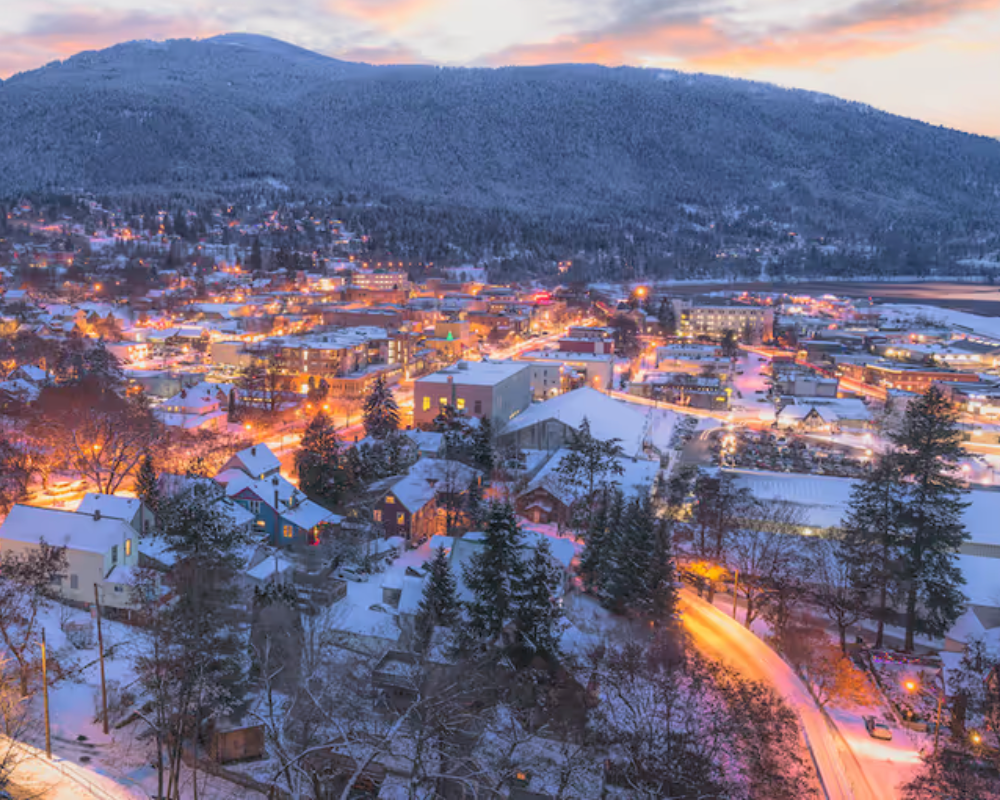
Northern BC isn't usually where people expect to find a folk scene, but towns like Fort St. John have quietly supported one for decades — small rooms, community halls and a handful of acts that keep the tradition moving even without a dedicated "scene" label attached to it.
Twin Peaks sits comfortably inside this style without trying to recreate any one influence exactly — closer to a regional variation on gypsy-folk than a tribute to a single source tradition, shaped as much by Northern BC's landscape and small-room touring circuit as by any Eastern European reference point.
This overview will keep expanding — new listening notes, genre context and scene history get added to the blog regularly. Spotted something inaccurate on this page, or have context to add? You can reach out here.